


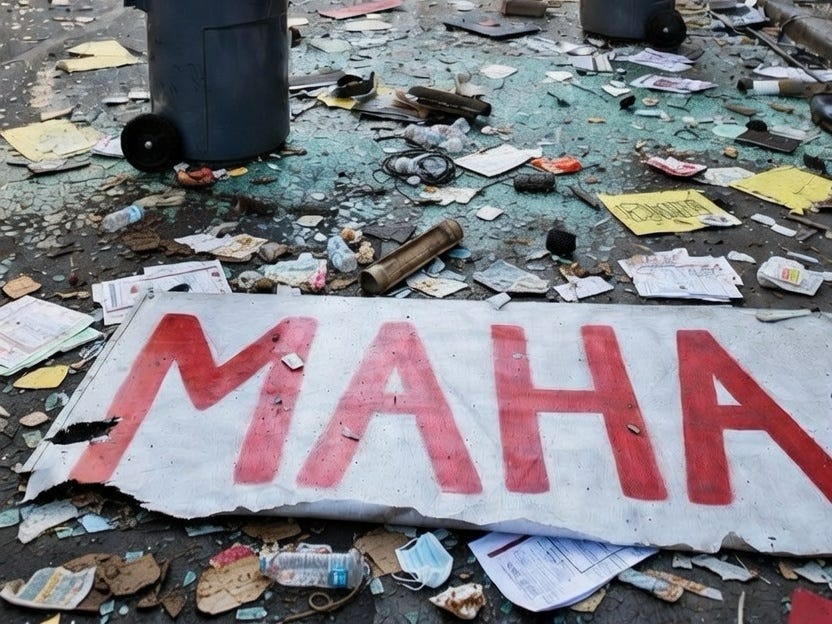
I spent the COVID years in emergency medicine; I left because I couldn’t stomach what happened to my patients after I saved them.
Great work is done in the ER - and then comes the billing, the bankruptcies, the slow destruction of an entire human.
This past week felt eerily similar. Except instead of patients’ lives being destroyed when it’s over, it was the policy machine meant to save them. I watched monumental work get torn down the moment it left the press room.
The MAHA movement has the best health policy team in a generation. Hands down.
Marty Makary at FDA is a serious person doing serious work. Jay Bhattacharya is bringing intellectual rigor back to the NIH. Bobby Kennedy is reshaping HHS in ways that would have been fantasy two years ago.
The food dye phaseout is real. The GRAS reform is real. The dietary guidelines overhaul is real. Here’s what’s also real: none of it matters if the only people telling the story are the ones trying to kill it.
This was the worst week MAHA has had since MAHA became a thing - not because things went sideways on policy, but because the communications infrastructure supporting these agencies is either broken or doesn’t exist. I watched at least four separate wins (or at worst defensible decisions) get turned into headlines that read like the whole movement is a scam.
It shouldn’t have happened. It’s a misrepresentation. And the most maddening part is that every single one was preventable.
Let’s walk through them one by one.
Then I’ll share exactly what needs to happen if we don’t want to lose the MAHA base and the midterms in the next 9 months. Because as amazing as our leadership is, and as incredible as their work product is, the narrative is closer to the edge than the policy wins would suggest - and that gap is exactly what the opposition is exploiting.
Let’s start with the biggest punch in the gut.
1. Glyphosate: There’s No Good Way to Spin This, So Stop Trying
Let’s just be honest.
The President signed an executive order (EO) invoking the Defense Production Act to expand domestic glyphosate production that is being widely viewed as increasing pressure for manufacturer’s immunity. Bobby Kennedy - the man who won a $289 million verdict against Monsanto - defended it.
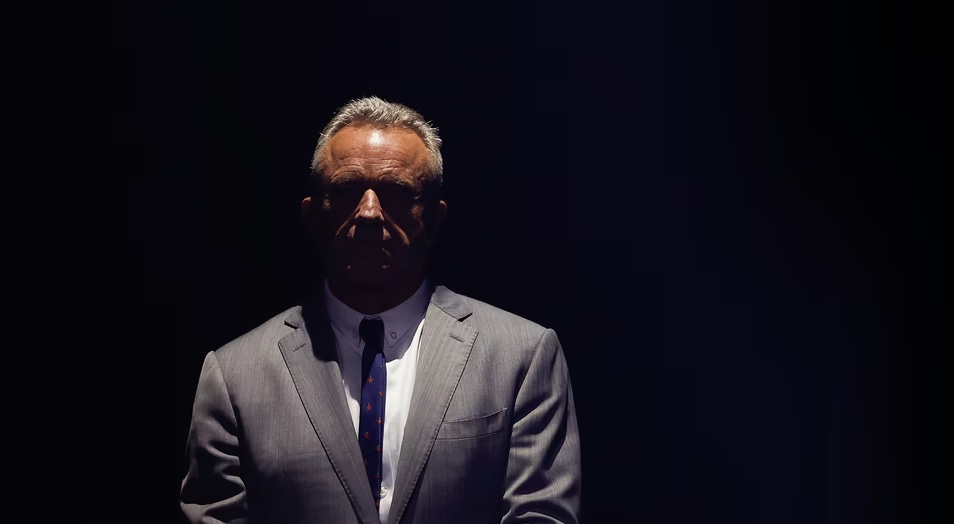
There’s no spinning this news after-the-fact for the MAHA base.
We’re too informed and we’re quick to call bullsh*t. Without a plausible explanation before a shock like this, it’s over. But before we move on, let’s chat about what I assume is the President’s underlying logic.
The U.S. imports a significant amount of its glyphosate from China, there’s essentially one domestic producer, Bayer, and Bayer threatened to pull glyphosate from the American market entirely without litigation protection. So while I hate this EO with everything inside me, a national security argument in favor of it really does exist.
But this is THE chemical. The one MAHA knows all too well.
It’s what powerhouse Kelly Ryerson has organized her whole life around. And what the Food Babe, Vani Hari’s, audience of millions cares about more than anything. It’s what Dave Murphy - Kennedy’s own former campaign finance director - called a “strategic mistake” and “election liability” that will cost midterm seats.
So why did it drop with no warning? But more importantly, why did it drop at all?
Here’s my working theory.
When you’re constantly on defense - when every policy announcement gets twisted, when every FDA action gets framed as a betrayal, when every personnel move becomes a crisis - you run out of political capital. Period. You start making trades you shouldn’t have to make. You stop being able to protect the things that matter most because you’ve already spent your credibility budget putting out fires that never should have started.
Fires exactly like this one.
Glyphosate is the bill that came due after a year of letting the other side - the people who care about defeating anything adjacent to Donald J. Trump more than they care about the chronic disease epidemic killing our kids - tell the MAHA story.
And nobody - not one single person fighting for the kids - got ahead of it.
No surrogate appeared on a podcast the day before the EO dropped to explain the China supply chain vulnerability. No MAHA-friendly voice got briefed on the national security angle so they could prepare their audience for what was sure to be a disappointment.
Kennedy is the most credible voice in the room on this issue. After all, he’s spent a lifetime suing industry and fighting against the proliferation of harmful chemicals like glyphosate. And that is exactly why he deserved a prepared audience.
Instead, his credibility became the liability — an entirely preventable tragedy.
The predictable result is, of course, a viral clip of Kennedy saying “I believe glyphosate causes cancer” on a podcast last month, playing on a split screen next to his defense of the EO. Thomas Massie - a Republican - drafting legislation to undo it within days. MAHA moms flooding social media with “we do not consent to being poisoned” banners.
It doesn’t matter if Massie’s bill goes anywhere or if the MAHA moms get traction. The optics hurt badly.
The only path forward now is to acknowledge the hurt, explain the situation honestly, and show the base what you’re going to do next. But that requires a communications operation that actually functions. Without a significant change, course correction seems unlikely.
2. The FDA Dye Story: An Actual Win That Got Reported as a Broken Promise
This one makes me want to put my head through drywall.
On February 5, the FDA announced that companies can now label products “no artificial colors” when they’ve eliminated petroleum-based dyes.
I know because the press release is still sitting in my inbox.
They approved beetroot red. They expanded spirulina extract. They sent a letter to industry reminding them that all color additives have to meet safety standards.
This is actual progress.
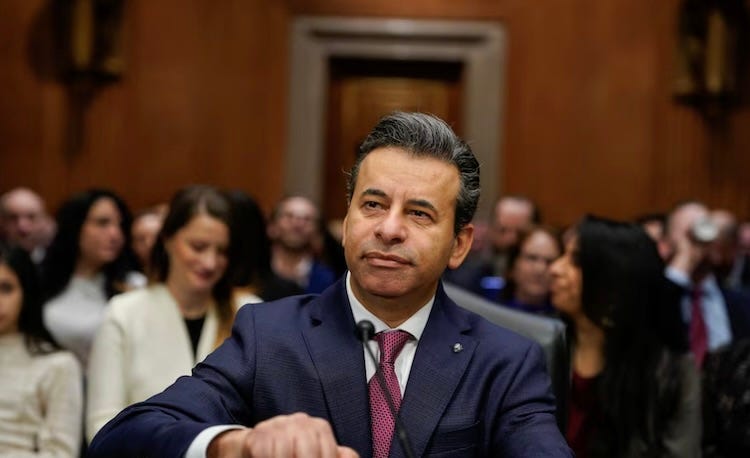
It’s the FDA doing exactly what they said they would do in record time. It’s Makary moving the ball forward on one of MAHA’s core promises to its base. The phaseout timeline is holding. Companies are reformulating. The tracker on FDA’s website shows real movement.
So what do the headlines report?
“Anger as Trump’s FDA retreats from plan to ban artificial colors in food.”
“Another broken promise from Secretary Kennedy and President Trump.”
The EWG said Kennedy “settles for handshake deals with Big Food.”
Here’s what actually happened: the FDA cannot snap its fingers and ban six color additives. Revoking a color additive authorization under the FFDCA requires formal rulemaking - scientific evidence, public comment periods, legal review… blah, blah, blah. The process is designed to be slow.
The voluntary phaseout approach, combined with expedited approval of natural alternatives, is genuinely the fastest path to getting these chemicals out of the food supply. More than twenty-five states have pending legislation. Companies representing the vast majority of the market have made public commitments.
But nobody explained any of that to the public.
Not immediately before the announcement. Not during. And by the time the defensive statements came out, the narrative was already set.
Here’s how it reads: Kennedy promised a ban, Kennedy delivered a handshake.
It’s exactly what happens when you have a Secretary and a Commissioner who understand regulatory science inside and out - but don’t have a communications team that can translate that regulatory science into a story the public can follow.
If this pattern continues, it risks becoming MAHA’s undoing.
The fix is so simple it’s painful.
You put two or three (or twenty) experts on podcasts and cable TV the week before the announcement. You share the dirty details with health policy reporters at major outlets, make the insights really juicy. You engage with influencers and supporters with large platforms - not to coerce them, but to make sure they are informed. You make everyone feel special. Give them ‘insider’ access.
In addition to the influencers who speak to the base, you need credentialed voices who can walk onto NPR or CNN and explain the regulatory science without sounding like they’re reading a press release. The outlets shaping the ‘broken promise’ narrative aren’t going to be moved by a mom blogger, and neither will the persuadable middle — but they will listen to and engage with a former FDA advisor or policy wonk who can translate the FFDCA into English.
And so the story is built.
“Here’s what the FDA can and can’t do legally. Here’s how we’re getting around that. Here’s why a voluntary phaseout is faster than a ban. Here’s the tracker showing which companies have committed. And here’s what’s coming next.”
Then when the announcement drops, the frame already exists. Instead of “broken promise,” the story is that change is happening “faster than anyone expected.”
That didn’t happen here; it’s a freaking shame. An actual win became a wound. A disaster to be defended instead of a victory.
For no damn good reason.
3. Vinay Prasad raised the bar. Nobody showed up to tell the story.
I want to be really careful here because this one has been covered with the subtlety of a flamethrower and most of the coverage is wrong.

Vinay Prasad, the director of CBER at FDA, sent a refuse-to-file letter back to Moderna on their mRNA flu vaccine application. He said the trial design didn’t reflect the best available standard of care. His own review team and the director of the Office of Vaccines Research and Review disagreed. An internal memo argued against his decision. The press went nuclear.
Here’s what actually happened: Prasad raised the evidentiary bar. As he should have. That’s it.
He looked at a trial that used a standard-dose flu vaccine as the comparator when higher-efficacy options exist, and he said that’s not good enough.
In plain English: Moderna designed a naughty study that made their product look better by testing it against a crappier, weaker flu shot. And Prasad called them on their bullsh*t.
Yes, prior FDA leadership had agreed to Moderna’s trial design before Prasad arrived. That’s Moderna’s loudest talking point, and it’s technically true. It’s also not the win they think it is. The prior standard was weak. Approving a comparator that doesn’t reflect the best available option for patients isn’t scientific rigor - it’s institutional garbage, actually. Prasad corrected the issue.
You can argue the process was disruptive. You cannot argue the science was wrong. The idea that we should demand rigorous comparators for new vaccines is not radical. It’s exactly how science is supposed to work.
Days later, FDA agreed to accept the application under a split pathway, full approval for ages 50-64 and accelerated approval for 65+ with a post-marketing study requirement. That landing actually preserved the core of Prasad’s position for the population that matters most. The higher standard held where it needed to hold. But because nobody explained that, the coverage read as a cave, not a compromise.
But none of that nuance was conveyed to the public.
What was reported was: rogue FDA official overrules staff, embarrasses the agency, gets dragged before the President, caves under pressure. STAT called it “one more sign of chaos.” The Wall Street Journal dropped a story about sexual harassment complaints (which they later ‘corrected’ on March 2 as reported by Jessica Adams @RxRegA - see below) and $65,000 in commuting costs on the same news cycle.
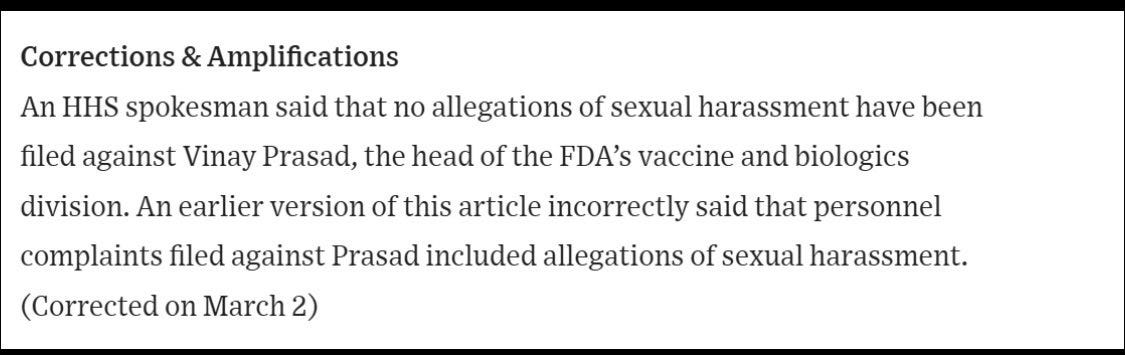
It predictably turned into a personality story — not a policy story. Because when the opposition is the only one writing the narrative, that’s what you get.
This is a communications failure at the agency level. If Prasad’s position was defensible — and it was — then the groundwork for that defense needed to be laid before the refuse-to-file letter went out.
Now, there’s a real constraint here: no one at the agency can breathe a word of market-moving material information in advance. Which means no one outside FDA could have been told what was coming. But that constraint doesn’t prevent the agency from doing two things that would have changed the entire trajectory of this story.
First, brief a handful of key MAHA-aligned surrogates — experts, not press — on what refuse-to-file letters are generally. Maybe they already know, but remind them. Make sure they know the ins and outs of how the process works. Why comparator selection matters. Why raising the bar on vaccine approvals is consistent with demanding better evidence.
None of this has anything to do with disclosure. It’s not “here’s what we’re about to do,” but “here’s how this mechanism works and why it exists” as part of an ongoing campaign to educate the voices that have the capacity to speak on FDA policy.
Second, have talking points written inside the agency before the news drops, ready to disseminate the moment news becomes public. The experts who’ve already been educated on this process (and others) will connect the dots quickly. They don’t need to be told what’s going to happen — they need to be properly equipped with a framework to explain what it all means when it does, and then have access to platforms to shout from.
Again, those surrogates need to be more than voices just speaking to the MAHA base. That matters — but it’s not enough when the narrative is being written by STAT and the New York Times. Those outlets aren’t going to recalibrate their coverage because a health influencer posted a thread, but what they will take seriously is credentialed insiders — epidemiologists, former White House or Capitol Hill health advisors, researchers and clinicians who understand trial design and can explain why a weak comparator is bad science.
They should be booked on major platforms so they can speak to what really happened: Prasad raised the bar, the process was messy, and the outcome was good for the American people.
There is an entire ecosystem of these supporters. Clinicians, policy architects, public health professionals with the credentials and the independence to be credible to skeptical audiences. They are ready and willing to mobilize.
What they need is what any effective communications operation would give them: a briefing, a booking, and a set of talking points they can make their own.
With that infrastructure in place, when Moderna inevitably pushes back — and did anyone imagine they wouldn’t, or that mainstream media wouldn’t immediately take their side? — the coverage isn’t “FDA in chaos.” It’s “FDA holds the line.”
Because all comms games aside, that’s exactly what happened. The FDA defended good science — exactly like MAHA voted for them to do.
With no comms infrastructure in place, a legitimate scientific and regulatory position got buried under a personality narrative the opposition amplified to avoid having to argue the facts.
Marty Makary should not have had to field questions from the President of the United States about this- not when FDA did the right thing.
That call happened because comms failed - because everyone was surprised and the story was allowed to metastasize for days without any proactive counter-narrative.
4. Jay Bhattacharya Running Two Agencies: The Questions We Should Have Already Answered
Jay Bhattacharya was named acting CDC director this week, while continuing to run the NIH. This is unprecedented of course - no one person has led both agencies simultaneously in modern history.
I don’t think it’s a bad decision. It may very well be the best one for this moment.
Bhattacharya has become a stabilizing presence while many others in the administration have embraced a disruptor role. It’s hard to argue against him as a person you’d want overseeing a transition of any kind.
But the optics are a problem.
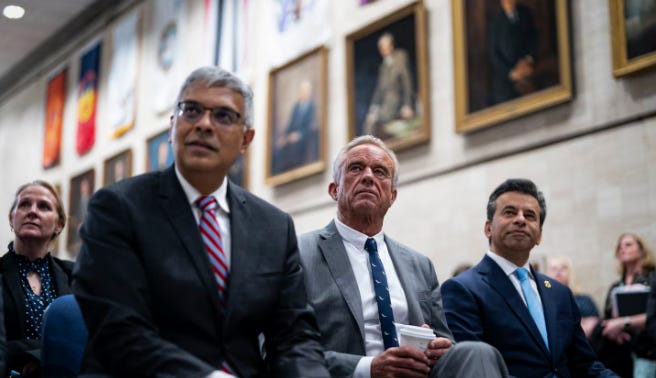
And the reason they’re a problem is the same reason everything else this week is a problem: nobody answered the obvious questions before the critics asked them.
Why don’t we have a permanent CDC director? How will one person manage two agencies headquartered more than 600 miles apart? What does this mean for career staff at CDC who have already been through multiple leadership changes in under a year? Several NIH institutes remain without permanent directors - is anyone going to fix that?
These are not hostile questions. They are reasonable questions that supporters and critics need answered. And when the administration doesn’t answer them, the New York Times does - by quoting former CDC officials saying it can’t be done, by counting the leadership vacancies, by framing it as evidence that the health agencies are in freefall.
And it’s not just legacy outlets. New media are echoing their concerns.
The reframe is obvious to me: Bhattacharya is uniquely positioned to align NIH’s research priorities with CDC’s public health mission. His dual role is temporary and intentional. A permanent CDC nominee is being vetted and will be announced soon. In the meantime, here’s what he’s focused on at both agencies: boom, boom, boom.
That’s it. That’s the whole play. Four or five sentences, delivered proactively, kills the story or at least turns the volume down.
Instead, silence, then Axios announces. And then the vacuum fills with exactly what you’d expect.
What Has to Change
Four failures. One week. And they all have the same root cause.
There is no professional health policy communications operation protecting the MAHA agenda. There is no surrogate network. There is no pre-bunking strategy. There is no rapid response with enough health policy fluency to translate regulatory decisions into narratives the public can follow.
This is what a successful operation would look like. It’s not complicated. And it has to be built.

Surrogates. Every major policy announcement needs people who are briefed, trained, and pre-booked on media before the announcement drops. Not just administration officials. Real people. Influencers, parents, advocates who speak to specific audiences. The MAHA base doesn’t trust government spokespeople. It’s a strength of ours. It’s part of our charm. We trust people who look like us and talk about things we care about from outside of the institutions. A lot of those real people are grateful for MAHA leadership and are happy to help. Bring them along. Leverage their earnest support.
But there’s a second tier that’s just as critical — and it’s being completely ignored. Influencers and advocates move the base, but they don’t move the press or the persuadable middle. The outlets writing the “chaos” and “broken promise” headlines respond to credentials — to people whose CVs force editors to take the call. Former clinicians who walked away from the system. Policy architects who helped write the rules. Public health professionals with enough independence to be credible on hostile ground.
These people aren’t hypothetical. They’re already in the movement. They just haven’t been catalogued or asked. When the New York Times or STAT or CNN needs a quote, these are the people who should be in their inboxes already. Why isn’t agency comms maintaining a list of these voices? Why aren’t they helping to place them on the very platforms where the narrative is being lost? This is not a lack of resources problem - the support is there; it’s a strategy vacuum.
Pre-bunking. If you know a decision is going to generate a specific objection, you address the objection before (or at least immediately when) the decision is public. The FDA dye story needed someone explaining the rulemaking constraints a week ahead. The Prasad decision needed prepared talking points (and an educated group of people to be called on) when the RTF letter was submitted. The Bhattacharya appointment needed a proactive rollout with answers to the few questions everyone was going to ask as soon as he was announced.
Rapid response with policy fluency. The FDA dye story required someone who understands the difference between enforcement discretion and a color additive revocation under the FFDCA. The Moderna story required someone who can explain comparators. The glyphosate story required someone who can hold the China supply chain argument and the cancer epidemiology in the same sentence.
Who is finding the MAHA experts, briefing them and getting them on cable news?
Makary and Kennedy can’t be expected to reform the health agencies by day and do endless cable news hits by night. MAHA is a big tent but no one seems to be recruiting and preparing the army. We can’t expect our leaders to do all of the work and then sell it- alone. Not because they won’t try, but because it won’t work. We have scores of highly capable, highly motivated warriors. They just need notice and education. Provide the ecosystem with the tools they need to shine and there’s no way to lose.
Influencer intelligence. Kelly Ryerson, Vani Hari, Dave Murphy - these are the voices that reach the MAHA base directly. We know them. We trust them. Instead of blindsiding them, let them frame the story. Because when they turn, the base turns. The administration should have ongoing relationships with every major MAHA influencer - not to control them, but to educate them and make sure they have context before they react publicly. Nobody called Kelly before the glyphosate EO. That created an entirely predictable disaster. This is exactly how you lose trust - and the midterms.
Midterm framing. The 2026 midterms are the clock. Every MAHA policy action needs to be evaluated on whether the communications around it will strengthen or weaken the base heading into November. Right now, every compromise is being converted into evidence that the movement was a campaign gimmick. It’s an existential threat.
The Bottom Line
The people doing MAHA policy work are doing extraordinary things under extraordinary pressure.
The food supply is changing. The regulatory posture at FDA is shifting. The research priorities at NIH are being realigned. This is real, and it’s historic.
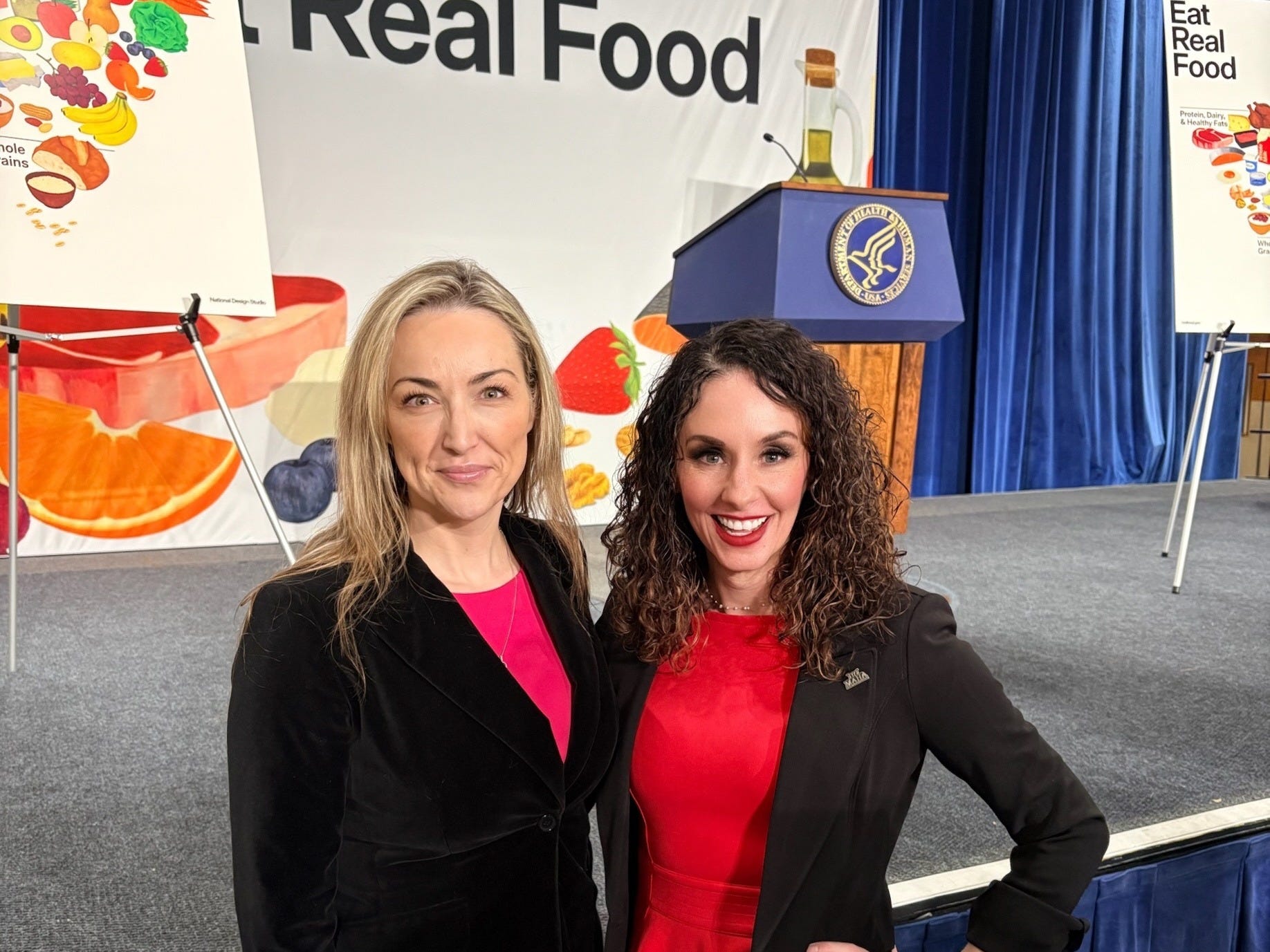
But movements can’t survive on policy. They need more than that. They need everyday people to be able to understand the narrative (and rally behind it) without having to quit their day job.
And right now, that work isn’t happening. Not enough by our people.
The MAHA narrative is being written by people who want it to fail. By the same institutions kept in business by the corporations that have decimated our health.
But it doesn’t have to be that way.
The work is being done. The hero stories are there. The wins are real. Someone just has to tell the story.
The communications machine needs to be reinforced quickly. By people who understand both the policy and what’s at stake if they get it wrong.
The midterms are nine months away. The clock is already running.
This is a great perspective and shows how you can win and still lose. The messaging is very important and must accurately explain complex issues in a manner that the public understands.
This could be another job for Tiffany! This administration likes to task people with multiple jobs!
In the absence of communication, people hallucinate, or worse, someone else does the communication for you... But not usually in the good way 😫